The number on your bathroom scale is one of the most misleading metrics in health and fitness. It cannot distinguish between fat, muscle, water, bone, and food in your digestive tract. Yet most people structure their entire fitness effort around making that number go down — often at the expense of the body composition changes that actually make them look, feel, and perform better. This article explains the crucial difference between fat loss and weight loss, why it matters in Dubai specifically, and how to shift your focus to the metrics that actually drive transformation.
This article is part of the Weight Loss in Dubai: Complete Transformation Guide. If you haven't read the pillar article yet, start there for the full scientific context.
What the Scale Is Actually Measuring
Your bodyweight at any given moment is the sum of every component of your body: fat mass, muscle mass, bone density, organ mass, blood volume, water (which makes up 50–70% of body weight), and the contents of your gastrointestinal tract. All of these change moment to moment, hour to hour, and day to day.
On a typical day, your weight might fluctuate by 1–3 kg depending on hydration, dietary sodium, carbohydrate intake (which affects glycogen and associated water storage), time of day, and digestive transit. In Dubai's climate, where dehydration can occur rapidly, weight fluctuations are even more pronounced.
A 2 kg weight increase overnight does not mean you gained 2 kg of fat — it almost certainly represents water retention, often caused by a higher-sodium meal, alcohol consumption, or normal hormonal cycles. Conversely, a 2 kg drop after an intense workout in the heat likely represents fluid loss — not fat loss.
The Key Difference: Fat Mass vs Lean Mass
Your body is composed of two categories of mass: fat mass (all adipose tissue in the body) and lean mass (everything else — muscle, bone, organs, water). The ratio between these determines your body composition, which is far more relevant to health and appearance than total bodyweight.
❌ Scale Weight Loss (Crash Diet)
- Rapid reduction in scale number
- Significant muscle mass loss (25–35% of total loss)
- Metabolic rate decreases
- Looks "smaller" but not necessarily better
- High probability of rebound weight gain
- Energy, strength, and mood often worsen
✓ True Fat Loss (Correct Approach)
- Slower scale change — but genuine fat reduction
- Muscle mass preserved or increased
- Metabolic rate maintained or improved
- Body looks leaner, more defined
- Sustainable, with low rebound risk
- Energy, strength, and mood improve
Two people can weigh exactly the same on a scale and look completely different. A 70 kg person at 30% body fat carries 21 kg of fat and 49 kg of lean mass. A 70 kg person at 18% body fat carries 12.6 kg of fat and 57.4 kg of lean mass. Their scale weight is identical; their body composition, appearance, metabolic rate, and health profile are dramatically different.
Why Crash Dieting Produces Weight Loss, Not Fat Loss
When caloric restriction is extreme (below roughly 1,000 kcal per day, or a deficit greater than 800–1,000 kcal), the body responds with accelerated catabolism — breaking down muscle tissue for energy alongside fat. This is because fat oxidation has a physiological ceiling; the body cannot mobilise fat stores fast enough to meet an extreme energy deficit.
Research consistently shows that crash diets with minimal protein and no resistance training result in 25–35% of total weight lost coming from lean muscle mass. Losing 10 kg this way means losing 6.5–7.5 kg of fat and 2.5–3.5 kg of muscle — a meaningful reduction in muscle mass that decreases basal metabolic rate, reduces strength and function, and makes the next weight gain cycle even worse.
This is the physiological mechanism behind the "yo-yo diet" pattern. Each cycle of crash dieting followed by weight regain tends to result in a higher body fat percentage than before the diet began — even if total bodyweight is the same — because the regained weight is predominantly fat rather than the muscle that was lost.
Dubai's extreme summer heat compounds the risks of crash dieting. Dehydration, electrolyte imbalance, and heat-related illness are significantly more likely when caloric intake is severely restricted. The health risks of crash dieting are heightened in a climate where baseline fluid and electrolyte demands are already elevated.
The Three Drivers of True Fat Loss
1. Moderate Caloric Deficit
A deficit of 300–500 kcal per day (approximately 15–20% below TDEE) is the evidence-based sweet spot for fat loss while preserving muscle mass. This produces approximately 0.3–0.7 kg of fat loss per week — which may seem slow but accumulates to 4–8 kg over 12 weeks without the metabolic penalties of more aggressive restriction.
2. High Protein Intake
Protein is the most important macronutrient for body composition during a caloric deficit. Consuming 1.8–2.2g of protein per kg of bodyweight provides the amino acids required for muscle protein synthesis, increases satiety (reducing hunger), and has a higher thermic effect (burning more calories during digestion). In Dubai's food culture, excellent protein sources are widely available — grilled proteins at Lebanese and Arabic restaurants, fresh fish from the UAE's coastline, and high-quality supermarkets stocking everything from Greek yogurt to premium cuts.
3. Resistance Training
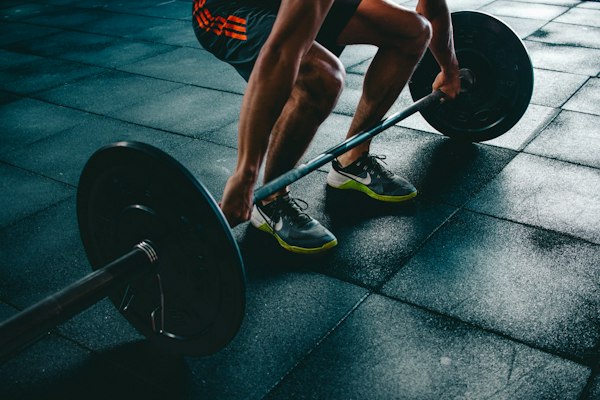
This is the critical factor that separates fat loss from general weight loss. Resistance training — lifting weights, bodyweight exercises, or resistance band work — signals the body to preserve muscle mass during a caloric deficit. The mechanical stimulus of progressive resistance training overrides the catabolic signals that a caloric deficit would otherwise send, directing the body to maintain or build muscle while burning fat for energy.
Body recomposition — simultaneously losing fat and gaining muscle — is most accessible for beginners, those returning after a break, and individuals carrying significant excess body fat. If you're in these categories, working with a qualified personal trainer and following a well-structured resistance programme can produce dramatic visual transformation even when the scale moves very little.
Measuring Fat Loss (Not Just Weight)
If you're going to make body composition your focus — which you absolutely should — you need tools to measure it beyond the scale. Here are the most practical options available to Dubai residents:
The Dubai-Specific Scale Distortion Problem
Living in Dubai creates specific patterns of weight fluctuation that can mislead people about their progress. Understanding these is essential for maintaining an accurate picture of your fat loss journey.
Heat and Dehydration
In summer, significant water weight can be lost simply through sweating before the scale reading. A 60-minute outdoor session in August can involve 1–2 litres of sweat loss — 1–2 kg off the scale — none of which represents fat loss. Consistently measure bodyweight under the same hydration conditions (morning, after bathroom, before eating or drinking) to reduce this noise.
Social Eating and Sodium
Dubai's social food culture — large restaurant portions, high-sodium Arabic and international cuisine, business lunches — typically involves above-average dietary sodium intake. Sodium causes water retention: approximately 1g of sodium retains 400–600ml of water. After a high-sodium dinner at a Dubai restaurant, you may weigh 0.5–1.5 kg more the next morning without consuming a single excess calorie of fat-building substrate.
Ramadan Patterns
The extended fasting window of Ramadan reliably produces significant scale weight reductions, primarily from glycogen depletion and associated water loss (each gram of stored glycogen holds approximately 3g of water). Many people experience dramatic scale changes during Ramadan that largely reverse in the weeks following. For Ramadan-specific guidance, see our complete Ramadan nutrition guide.
Practical Application: How to Focus on Fat Loss
Set Body Composition Goals, Not Scale Goals
Replace "I want to lose 10 kg" with "I want to reduce my body fat percentage from 28% to 22% while maintaining or gaining lean mass." This shifts the entire programme design — training, nutrition, and progress measurement — toward body composition rather than arbitrary scale weight.
Prioritise Resistance Training in Your Programme
If you currently do primarily cardio (running, classes, cycling) and are not seeing the body composition changes you want, adding 3 resistance training sessions per week will likely produce more dramatic visual results than increasing cardio volume further. Browse personal trainers who specialise in strength and body composition work for guidance on building an effective resistance programme.
Protect Your Protein Intake
During any caloric deficit, protein intake should be the last thing reduced, not the first. Many people cut protein when they reduce calories (because protein sources can be expensive and require preparation) — this is a significant mistake that accelerates muscle loss. Maintain protein targets even when overall calories are restricted.
Get a Body Composition Assessment in Dubai
Find personal trainers who include InBody assessments and body composition tracking in their programmes. See the real numbers — not just the scale.
The Bottom Line
The goal of a body transformation is not to weigh less — it's to carry less fat and more muscle. These goals require different strategies: fat loss requires a moderate caloric deficit with high protein intake; muscle preservation or gain requires resistance training. Combining both produces the dramatic body composition changes that most Dubai residents are actually seeking.
Stop letting the scale have the final word. Measure body composition, track waist measurements, monitor training performance, and take consistent progress photos. These metrics tell you the truth about what's actually changing in your body — and will keep you motivated through the natural fluctuations that confuse anyone relying on scale weight alone.
For a complete action plan, read the Weight Loss in Dubai: Complete Transformation Guide. For the step-by-step 12-week implementation, see How to Lose Weight in Dubai: Realistic 12-Week Plan.
Prioritise fat loss over weight loss. Measure body composition (InBody scan or waist measurement + progress photos) rather than relying solely on scale weight. Combine a moderate calorie deficit with high protein intake and consistent resistance training for optimal body composition change. In Dubai's climate, track weekly weight averages — not daily readings — to account for sweat-related fluctuations.