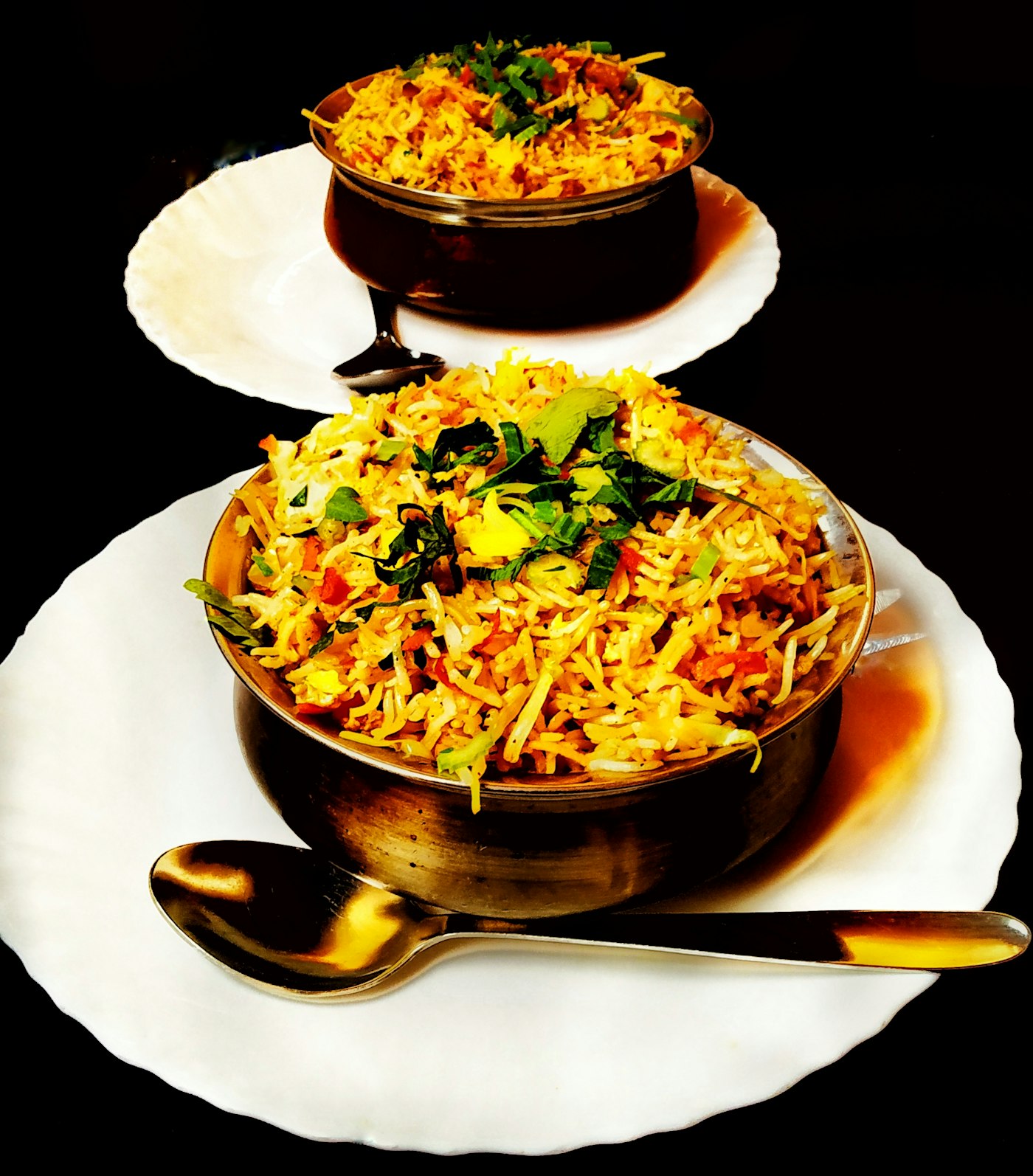
Ramadan is the holy month when Muslims worldwide abstain from food and drink from sunrise to sunset, dedicating their time to spiritual reflection, prayer, and community. In Dubai, Ramadan transforms the city's rhythm—work hours shift, social calendars revolve around Iftar (breaking fast) gatherings, and the focus on nourishment and gratitude becomes paramount. For fitness enthusiasts, professionals, and those managing their health, Ramadan presents unique nutritional challenges and opportunities. This comprehensive guide shows you how to fuel your body properly during Ramadan, maintain fitness goals, and honor the spiritual significance of the month while protecting your health.
Understanding Ramadan Fasting: Religious, Cultural, and Metabolic Perspectives
Ramadan operates on the Islamic lunar calendar, occurring for 30 days annually. In 2026, Ramadan falls in the heat of March-April, presenting additional heat management challenges. The fast runs from Fajr (dawn, approximately 5:30am) to Maghrib (sunset, approximately 7:15pm)—roughly 13-14 hours during this period. Non-Muslims in Dubai, along with exempt groups (young children, pregnant women, nursing mothers, elderly individuals, and those with medical conditions) don't fast, but the entire city's social and professional rhythms shift to accommodate this observance.
The Twin Eating Occasions: Suhoor and Iftar
Ramadan creates two primary eating times: Suhoor (pre-dawn meal) taken before Fajr, and Iftar (meal to break the fast) consumed at Maghrib. This eating pattern differs from typical daily meal frequency, requiring specific nutritional strategies to sustain energy, support fitness goals, and prevent nutrient deficiencies. The entire focus of nutrition during Ramadan shifts from "how much do I eat daily" to "how do I strategically fuel my body in two meals and a brief eating window."
In Dubai, Suhoor is increasingly casual—many people grab dates and water, skip it entirely, or eat lightly. Iftar is where Dubai's social culture shines: family gatherings, restaurant spreads, and community meals. But for health and fitness, both meals matter equally.
Suhoor: The Pre-Dawn Meal That Powers Your Fast
Suhoor is eaten 30 minutes to 2 hours before Fajr. This meal must sustain you through 13-14 hours without food or water. It's not a light breakfast—it's strategic nutritional fuel that determines your energy, mental clarity, and physical performance throughout the day.
Suhoor Macronutrient Strategy
Protein (25-35g): Slows digestion, maintains muscle, and stabilizes blood sugar. Include: eggs (scrambled, boiled, or fried), Greek yogurt, cottage cheese, chicken breast, turkey, lentils, and chickpeas.
Complex Carbohydrates (40-60g): Provides sustained energy without rapid spikes. Choose: whole-grain bread, oatmeal, brown rice, sweet potatoes, lentils, and legumes. Avoid white bread and sugary cereals.
Healthy Fats (15-20g): Slows digestion further. Include: olive oil, nuts (almonds, walnuts), seeds (flax, chia), avocado, and fatty fish. Fat-rich foods extend satiety during fasting.
Fiber (10-15g): Slows glucose absorption and supports digestive health. Sources: vegetables, whole grains, legumes, and fruits.
Suhoor Meal Examples
- Two boiled eggs + 2 slices whole-grain toast + tablespoon almond butter + glass of water
- Bowl of oatmeal with berries, honey, and walnuts + Greek yogurt on the side
- Hummus bowl: hummus, olive oil drizzle, chickpeas, whole-grain pita, cucumber and tomato
- Scrambled eggs with cheese + whole-grain toast + handful of almonds
- Greek yogurt with granola, berries, and mixed nuts
Hydration at Suhoor
Drink 500-750ml of water at Suhoor. This primes your hydration status for the coming fast. Avoid excessive coffee (caffeine is a diuretic) or save coffee for lighter consumption. Some people benefit from electrolyte supplements or drinks containing sodium and potassium, which enhance water retention during fasting.
Eat Suhoor close to Fajr (within 30 minutes) rather than hours earlier. Food eaten 2-3 hours before Fajr will have already begun digesting, leaving you hungry hours before Iftar. Eat late, eat strategically.
Iftar: Breaking Your Fast Correctly and Eating for Recovery
Iftar begins when the sun touches the horizon. Your body has been fasting 13-14 hours—glucose is depleted, electrolytes have shifted, and your digestive system is dormant. How you break your fast matters significantly for digestion, energy restoration, and preventing overeating.
The Ramadan Stage-Eating Approach
Traditionalists and nutrition professionals agree: break your fast gradually. This isn't western-style "eat everything immediately." Instead:
Stage 1: Dates and Water (0-5 minutes after Maghrib)
Start with dates. They're traditional, symbolic, and scientifically sound. Dates provide quick-absorbing sugars that rapidly restore blood glucose, preventing dizziness and hunger overwhelm. One or two dates (approximately 50-100 calories) plus water or electrolyte drink. Wait 5-10 minutes, allowing your digestive system to wake and glucose to circulate.
Stage 2: Light Broth or Soup (5-20 minutes after Maghrib)
Consume light broths, lentil soup, or vegetable soups. These are hydrating, provide electrolytes from salt, and contain carbohydrates and protein. Avoid creamy or heavy soups. This stage continues hydrating you and provides gentle digestive stimulation.
Stage 3: Main Meal (20-45 minutes after Maghrib)
Now consume your substantial meal: protein, vegetables, grains. Your digestive system is prepared, glucose is restored, and you can properly digest a full meal. This is when you consume most daily calories and macronutrients.
Iftar Meal Macronutrient Strategy
Protein (30-50g across Iftar meals): Grilled chicken, fish, lean beef, lamb (common in Dubai's Iftar spreads), lentils, and beans. Ramadan traditionally features meat-heavy meals; ensure you also get plant-based proteins for variety.
Complex Carbohydrates (50-100g): Rice, bread, potatoes, or pasta. These replenish glycogen depleted during fasting. Include whole grains when possible.
Vegetables (2-3 cups): Leafy greens, tomatoes, cucumbers, peppers, and eggplant. These provide micronutrients and fiber often lacking in traditional Iftar spreads.
Healthy Fats (15-25g): Olive oil, nuts, and seeds. Use moderately—many traditional Iftar dishes are already fat-rich.
Iftar Foods to Embrace at Dubai Restaurants and Home
- Grilled meats: lamb kebab, grilled chicken, fish (shawarma, mixed grill)
- Traditional dishes: biryani (rice and meat), machboos (spiced rice and protein), majboos
- Legume-based: lentil soup, hummus, falafel (eat in moderation—they're fried)
- Bread: whole-wheat khubz, roti, naan
- Vegetables: tabbouleh (parsley and bulgur salad), mixed vegetable stews
- Dairy: labneh (strained yogurt), fresh cheese
Iftar Foods to Limit or Avoid
- Fried foods: samosas, pakoras, deep-fried meats (common but calorie-dense)
- Excessive sweets: baklava, konafa, date-filled pastries (traditional but sugar-heavy)
- High-sugar drinks: soft drinks, sugary cordials, sweet coffee drinks
- Heavy desserts immediately after fasting (save for 1-2 hours post-Iftar)
- Excessive salt in cured meats and processed foods
Qiyam (Night Meals): The Optional Evening Eating Window
Some Dubai residents eat a third meal during Qiyam, the night hours, or before sleeping. This is optional but can support fitness goals if calories are insufficient. Qiyam meals are typically lighter: dates, milk, fruit, nuts, or leftover Iftar items. If you're strength training during Ramadan, Qiyam provides an opportunity for additional protein intake without overwhelming your digestive system.
Hydration Strategy: The Often-Forgotten Foundation
This is where many Ramadan fasters fail. You have 14 hours between Iftar and Suhoor to drink all daily water. In Dubai's heat, baseline water needs exceed 3 liters daily; during Ramadan fasting, aim for 4-5 liters in this window.
Hydration Schedule (Iftar at 7:15pm to Suhoor at 5:30am)
- At Iftar: 500ml water or electrolyte drink
- With main meal: 250-500ml
- After dinner/before bed: 500-750ml (important for overnight hydration)
- Upon waking: 250-500ml before Suhoor
- At Suhoor: 500-750ml
Spread water consumption throughout the evening rather than loading 2 liters at Iftar (which causes bloating and frequent urination). Herbal teas, water with electrolyte tablets, and unsweetened beverages all count toward hydration.
Optimize Your Ramadan Nutrition with Professional Guidance
Dubai's top nutrition coaches and fitness trainers have specialized experience supporting clients through Ramadan. Connect with experts who understand Dubai's unique fasting environment and can customize nutrition plans for your goals.
Find a Nutrition ExpertMaintaining Fitness During Ramadan: Training and Recovery
Many Dubai fitness enthusiasts ask: "Can I maintain my gains during Ramadan?" The answer is yes, with adjustments. Our intermittent fasting guide covers fasting-period training in detail, but here's Ramadan-specific guidance:
Training Timing
Train 1-3 hours after Iftar, not before. Your body has glucose and hydration, making this the safest time for exercise. Early-morning training before Suhoor is possible for experienced fasters but not recommended for newcomers. Evening training (7-8pm, just after Iftar) is optimal for Dubai's climate and Ramadan schedule.
Training Intensity Adjustments
Reduce training intensity by 30-40%. Maintain the same exercises but lower weight, increase rest periods, and focus on form. This preserves muscle while respecting your body's fasted state earlier in the day. A typical adjustment: if you normally bench press 100kg, reduce to 65-70kg during Ramadan.
Training Frequency
Maintain training frequency (3-5x weekly) but reduce volume. Consistency matters more than intensity during Ramadan. Your nervous system adapts better to frequent, moderate stimulus than sporadic, intense sessions.
Protein and Muscle Preservation
Consume 0.8-1g of protein per pound of bodyweight daily, split between Suhoor and Iftar meals. This is the non-negotiable foundation of maintaining muscle during fasting. If you're 70kg (154 lbs), aim for 120-150g protein daily across two eating occasions. This requires deliberate meal planning—it won't happen by accident.
Post-Training Nutrition
Post-workout meals are your most important Ramadan nutrition moment. Consume within 60-90 minutes of finishing training: 30-40g protein (chicken, fish, eggs), 40-60g carbs (rice, potatoes, bread), and 10-15g healthy fats. This signals your body to recover, not catabolize muscle.
Common Ramadan Nutrition Mistakes to Avoid
Mistake 1: Overeating at Iftar
After 13 hours fasting, your appetite is astronomical. Many people eat until uncomfortably full. But overeating causes digestive stress, bloating, and can actually decrease subsequent meal quality and energy. Eat slowly, stop at 70% satiation, and remember you can eat again in a few hours at Qiyam.
Mistake 2: Neglecting Protein at Suhoor
If Suhoor is just dates and bread, you're setting yourself up for hunger mid-fasting. Add protein—even a yogurt or two eggs makes the difference between sustainable fasting and energy crashes at 2pm.
Mistake 3: Insufficient Hydration
Many people fast on minimal water. In Dubai's heat, this causes dehydration, fatigue, and poor gym performance. Drink consistently between Iftar and Suhoor, prioritizing hydration over restrictive dieting.
Mistake 4: Excessive Sugary Foods and Drinks
Traditional Ramadan sweets are culturally meaningful, but a month of daily date-filled pastries, baklava, and sugary drinks undermines fitness goals. Enjoy traditional foods in moderation; prioritize protein and vegetables.
Mistake 5: Training with Extreme Intensity While Fasted
Some fitness enthusiasts try to maintain full training volume during Ramadan. This causes extreme fatigue, impairs recovery, and risks muscle loss. Respect the fasting state; adjust intensity accordingly.
Mistake 6: Poor Sleep and Recovery
Ramadan disrupts normal sleep. You might sleep 5-6 hours instead of 8, affecting recovery and protein synthesis. Prioritize sleep quality: nap if possible (even 20-30 minutes), keep bedroom cool, and avoid caffeine after mid-afternoon.
Post-Ramadan Nutrition: The Transition Back to Normal Eating
Ramadan ends with Eid celebrations and a return to normal eating. Many people gain weight rapidly post-Ramadan due to psychological "breaking the fast" and continued fasting-adapted eating patterns. Here's how to transition smartly:
Days 1-3 Post-Ramadan
Continue eating similar meals to Iftar and Suhoor structure, but now distributed across 5-6 meals daily. Don't immediately jump to four 1,500-calorie meals. Your digestive system is adapted to two meals; transition gradually.
Days 4-7 Post-Ramadan
Normalize to three primary meals plus 1-2 snacks. Return to your pre-Ramadan eating patterns if continuing nutrition goals. This 7-day window prevents the "Ramadan rebound" where people rapidly gain 3-5kg.
Training Post-Ramadan
Your strength often rebounds within 7-14 days of normal eating and training. Don't be alarmed if Ramadan reduced your lifts by 20-30%; this normalizes quickly. Return to regular training intensity gradually over the first two weeks.