Starting personal training for the first time can feel intimidating — particularly in Dubai where the fitness scene can appear full of advanced athletes and elite trainers. But here's the truth: personal training is designed for beginners. In fact, it's beginners who benefit the most from working with a qualified PT from day one.
This guide is part of our complete guide to personal training in Dubai and covers everything a first-timer needs to know — from preparing for your first session to setting realistic expectations, choosing the right trainer, and building habits that will serve you for life.
📋 What's Covered
Why Beginners Benefit the Most From a Personal Trainer
The fitness industry contains a widespread misconception: that personal trainers are for people who are already fit and just need fine-tuning. In reality, the opposite is true. Research consistently shows that beginners who start their fitness journey with a qualified personal trainer achieve significantly better outcomes than those who try to figure it out alone.
Here's why beginners get the biggest return on investment from PT:
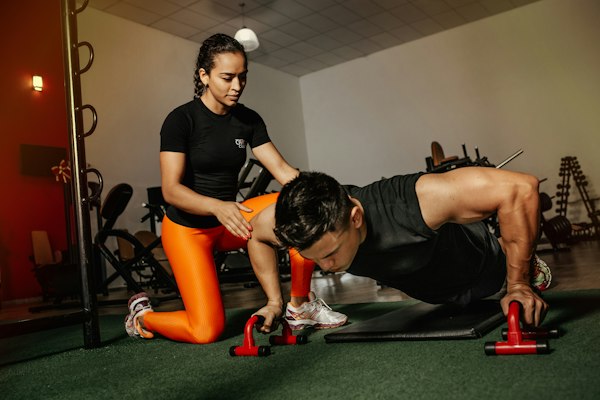
- Correct technique from the start. Bad movement patterns are far easier to prevent than to fix. A PT teaches you to squat, deadlift, push, and pull correctly from session one — preventing injuries that could sideline you for months.
- No wasted effort. The gym is full of people doing ineffective exercises incorrectly. A qualified trainer ensures every minute of your session delivers results.
- Accountability and consistency. Studies show that people who train with a PT are significantly more consistent than those training alone. Having an appointment creates commitment.
- Faster initial progress. The "beginner gains" phase — rapid strength and fitness improvements in the first 3–6 months — is most effectively capitalised on with proper programming and progressive overload.
- Confidence building. Learning to use equipment, understand your body, and move well gives you the confidence to eventually train independently if you choose to.
A study published in the Journal of Strength and Conditioning Research found that participants who trained with a personal trainer showed 12–18% greater strength gains over 12 weeks compared to those who followed the same programme independently. The difference was attributed to coaching cues, motivation, and technique correction.
How to Prepare for Your First Personal Training Session
Walking into your first session unprepared wastes precious time. Here's how to show up ready:
Complete a Health Questionnaire
Most reputable trainers send a PAR-Q (Physical Activity Readiness Questionnaire) before your first session. Answer it honestly — any injuries, medical conditions, medications, or past surgeries are critical information that shapes your programme.
Define Your Goals
Write down 2–3 specific things you want to achieve. "Get fit" is too vague. "Lose 8kg in 16 weeks", "be able to run 5km without stopping", or "build enough strength to keep up with my kids" gives your trainer something concrete to build a programme around.
Wear the Right Kit
Comfortable, breathable athletic wear and broken-in sports shoes with adequate support. Avoid flat-soled shoes (like Vans) for lifting — they lack the lateral stability required. Bring water, a small towel, and ideally a notebook or phone for logging.
Eat Sensibly Beforehand
Have a small meal or snack 1–2 hours before your session — something with carbohydrates and a little protein. Avoid heavy meals immediately before training. Never train completely fasted as a beginner, especially in Dubai's heat.
Arrive a Few Minutes Early
Use the time to warm up lightly on a treadmill or bike, or just relax your breathing. Arriving stressed and rushed is the worst way to start a session. Give yourself 5–10 minutes to transition into training mode.
What Happens in Your First Personal Training Session
Your first session will look very different from what you might expect. It is typically not an intense workout — it is a foundation-setting consultation and assessment. Here is a typical structure:
Consultation and Goal Setting (10–15 minutes)
Your trainer will review your health questionnaire, discuss your goals in detail, ask about your current activity levels, and understand your schedule and lifestyle. Be honest about everything — including diet habits, sleep quality, stress levels, and past experiences with exercise. This information is essential for building the right programme for you.
Movement Assessment (10–15 minutes)
A competent trainer will assess how you move before prescribing exercises. This typically involves observing your squat pattern, hip hinge, and shoulder mobility. They may identify movement restrictions or muscle imbalances that need to be addressed first — this is normal and not cause for alarm.
Baseline Fitness Measurement (optional)
Some trainers take baseline measurements — bodyweight, body fat percentage (via skinfold calipers or InBody scan), circumference measurements, and basic strength or endurance benchmarks. These become the baseline against which your progress is measured.
Introduction to Foundational Exercises (20–30 minutes)
Your trainer will introduce you to the fundamental movement patterns: squat, hip hinge (deadlift), push (bench press or overhead press), pull (row or lat pulldown), and carry. You will work at very low loads — the goal is pattern reinforcement, not fatigue.
If your first session leaves you barely sweating, don't be disappointed. A competent trainer who gives a complete beginner an exhausting first session is actually doing you a disservice. Excessive soreness in the first week often kills motivation and creates negative associations with training. Sustainable progress is built on gradual, consistent escalation.
Start Your Fitness Journey Today
Browse beginner-friendly personal trainers in Dubai. Filter by area, price, and specialisation to find your perfect match.
Choosing the Right Personal Trainer as a Beginner
Not every qualified trainer is the right trainer for a beginner. Here is what to specifically look for when you are just starting out:
Look for Communication Skills, Not Just Credentials
A trainer with impressive qualifications who speaks in jargon, dismisses your questions, or makes you feel judged is not the right trainer for you. The most important quality in a beginner's trainer is patience, clear explanation, and the ability to adapt their communication style to your level.
Ask About Their Experience With Beginners
Some trainers specialise in advanced athletes or competitive clients. Ask directly: "Have you worked with complete beginners before? What does the first few months of programming typically look like for someone at my starting point?" The answer will tell you a great deal.
Look for a Progressive Approach
Good beginner programming is built on progressive overload — gradual, systematic increases in resistance, volume, and complexity over time. Be wary of trainers who promise rapid transformation or rely on extreme-intensity workouts from day one.
Check Reviews from Other Beginners
On GetFitDXB, trainer profiles include verified client reviews. Look specifically for testimonials from clients who started at a similar level to where you are now. These give the most relevant insight into what your experience is likely to be.
For more detailed guidance on selecting the right trainer, read our full article on how to choose a personal trainer in Dubai.
How Often Should Beginners Train With a PT?
The right training frequency depends on your goals, budget, and schedule — but here are the general guidelines for beginners:
- 2 sessions per week: The minimum effective frequency for meaningful progress. Allows full recovery between sessions and is sustainable for most schedules and budgets.
- 3 sessions per week: The optimal frequency for most beginners. Provides enough stimulus for rapid progress while allowing adequate recovery. Recommended if budget allows.
- 4+ sessions per week: Generally not recommended for beginners. More is not always better — the body needs time to adapt and recover. Over-training is a real risk in the early weeks.
Between PT sessions, your trainer should give you a supplementary programme to follow independently — perhaps two additional home workouts or low-intensity cardio sessions. This maximises the benefit of your paid sessions.
Setting Goals That Actually Lead to Results
Goal-setting is arguably the single most underrated element of beginner fitness. Vague goals produce vague results. Here is a framework that works:
The SMART Goal Framework
- Specific: "Lose 6% body fat" not "lose weight"
- Measurable: Progress needs to be trackable — use measurements, photos, strength benchmarks
- Achievable: Realistic given your starting point, time availability, and lifestyle
- Relevant: Connected to something that genuinely matters to you — not what you think you should want
- Time-bound: A specific deadline creates urgency and allows programme planning
Short-Term vs Long-Term Goals
Work with your trainer to establish both a 12-week goal (what can be realistically achieved in one programme cycle) and a 12-month vision (where you want to be by the end of the year). The short-term goal drives daily behaviour; the long-term vision keeps you motivated when progress temporarily slows.
Write your goals down and review them weekly. Research by Dr. Gail Matthews at Dominican University found that people who write their goals down are 42% more likely to achieve them. Share your goals with your trainer — they should be tracking your progress and adjusting the programme accordingly.
Download Your Free Fitness Starter Guide
Our free Dubai Fitness Starter Guide covers goal-setting, programme basics, nutrition fundamentals, and what to expect in your first 12 weeks of training.
When to Expect Results: A Realistic Timeline
One of the biggest sources of frustration for beginners is unrealistic expectations about results timelines. Here is an honest, evidence-based guide:
Weeks 1–2: Neural Adaptation
Your initial strength gains come almost entirely from your nervous system learning to recruit muscle fibres more efficiently — not from actual muscle growth. You will likely feel stronger and more coordinated after just 2 weeks, even if your body doesn't look different yet. This is a great sign.
Weeks 3–6: Noticeable Changes Begin
Energy levels improve, sleep quality often gets better, and your clothes may start fitting differently. Basic body composition changes (fat loss and muscle development) begin to become visible, particularly if your nutrition is on point.
Weeks 7–12: Visible Transformation
With consistent training (3× per week) and solid nutrition, most beginners see clear visible results within 8–12 weeks. Strength metrics typically show significant improvement, motivation tends to peak as results become tangible, and training habits are becoming ingrained.
Months 3–6: Real Momentum
The beginner gains phase is in full swing. This is the period of fastest relative progress you will ever experience. Maximise it with consistency, progressive overload, and quality nutrition. Read our guide on personal training results timelines for a more detailed breakdown.
The 7 Most Common Beginner Mistakes (and How to Avoid Them)
- Comparing yourself to others in the gym. Everyone starts somewhere. Focus exclusively on beating your own previous performance.
- Skipping the warm-up. A proper 5–10 minute warm-up dramatically reduces injury risk and improves performance. Never skip it.
- Neglecting nutrition. Training without addressing diet is like trying to fill a leaking bucket. Work with your trainer or a nutritionist to align your eating with your goals.
- Going too heavy, too soon. Ego lifting is the fastest route to injury. Technique always takes priority over load, especially in the first 3 months.
- Inconsistency. Two or three missed weeks early in a programme can significantly undermine progress and motivation. Protect your sessions like important appointments.
- Ignoring recovery. Sleep, hydration, and rest days are not optional — they are when your body actually changes. Aim for 7–9 hours of sleep and stay well-hydrated, especially in Dubai's climate.
- Changing programme too frequently. Beginners often want to switch programmes every 3–4 weeks. Resist this urge. A quality beginner programme takes 12–16 weeks to complete effectively. Trust the process.
Frequently Asked Questions
Do I need to be fit before seeing a personal trainer?
Absolutely not. Personal trainers are trained to work with people at any starting point — including those who are completely sedentary, overweight, or recovering from injury. In fact, the less fit you are when you start, the more rapid your initial progress will be.
What if I can't afford personal training multiple times per week?
Many people begin with once-weekly sessions and supplement with a trainer-designed independent programme for the rest of the week. This hybrid model is very effective and more affordable. Some trainers also offer semi-private sessions (2–3 clients) at reduced rates per person.
Is personal training worth it in Dubai specifically?
Yes — and particularly so for Dubai's climate. Exercising in summer heat without guidance on intensity, hydration, and session timing is a genuine health risk. A good trainer adapts your programme to Dubai's environment, including the summer months when outdoor training or session intensity needs adjustment.
What is the difference between a personal trainer and a fitness instructor?
A fitness instructor typically leads group classes and has a general group exercise certification. A personal trainer is specifically qualified to assess individual clients, design personalised programmes, and provide one-to-one coaching. The depth of knowledge and the personalisation level is significantly higher with a qualified PT.
Can I do personal training online to start?
Yes — and it can be a great lower-cost entry point. However, for beginners learning technique from scratch, in-person training is strongly recommended for at least the first 2–3 months. Once you have solid movement foundations, transitioning to online coaching for maintenance or programme delivery is very effective. Read more in our online personal training guide.