📋 In This Guide
Dubai's warm Arabian Gulf waters make open water swimming one of the most accessible and rewarding outdoor activities in the emirate. Whether you're training for a triathlon, escaping chlorine fatigue, or simply craving the freedom of sea swimming, Dubai's coastline and its surprising inland reservoir offer world-class open water experiences — if you know where to go and how to stay safe.
Why Open Water Swimming in Dubai?
Pool swimming is a technical foundation, but open water develops something deeper: the ability to navigate currents, manage sighting, tolerate chop, and build the mental resilience that pool lanes never demand. For many Dubai fitness enthusiasts, the transition to open water transforms their relationship with the sport entirely.
Dubai's geographic position is a genuine advantage. The Arabian Gulf is typically calm, particularly along the western coastline, making it an ideal environment for both beginners and experienced open water swimmers. Water temperatures rarely drop below 21°C even in the coldest months, eliminating the wetsuit barrier that many northern hemisphere swimmers face.
The city also hosts several major open water events each year — from IRONMAN Dubai to the Dubai International Triathlon — creating a thriving community of open water athletes who train together year-round. If you want to join Dubai's swimming community, open water is the most dynamic corner of it.
Best Open Water Swimming Locations in Dubai
Not every beach is ideal for serious open water swimming. Boat traffic, wave action, depth, water quality, and access to facilities all matter. Here are the best-established spots used by Dubai's open water community.
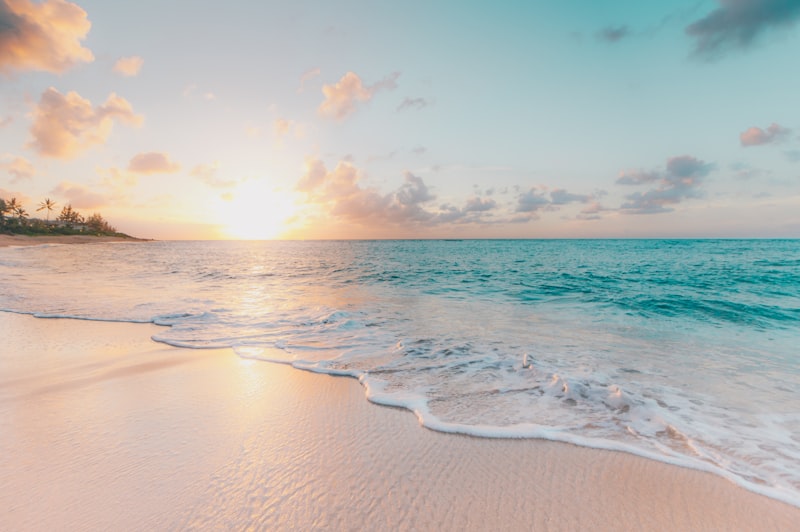
The undisputed go-to for Dubai open water swimmers. JBR's north section (near The Beach mall) offers a well-marked 1km buoy corridor used by triathlon clubs, free swimmers, and paddleboard operators. Lifeguard coverage runs from 7am to 7pm (extended in summer). The beach has changing facilities, showers, and parking.

Home to Dubai Triathlon Club's weekly open water sessions and the start/finish of multiple triathlon events. The 750m buoyed swim zone runs parallel to the beach and is generally calm due to a natural sandbar. The beach itself is home to the Dubai Fitness Challenge infrastructure, with excellent changing facilities and a running track directly adjacent.

The western crescent beaches of Palm Jumeirah offer some of the calmest waters in Dubai, sheltered by the Palm's structure from the open Gulf. Several hotel pools with beach access (Atlantis, Waldorf, FIVE) allow non-guests via day passes. Open water swimmers use the stretch between the hotel beaches during morning hours before jet-ski activity increases.

For a completely different open water experience, Hatta Dam is Dubai's only accessible freshwater open water swimming venue. Located 115km from Dubai city, the turquoise mountain reservoir has cooler water temperatures (18–26°C year-round) and stunning Hajar Mountain scenery. RTA Hatta manages access — check official schedules as swimming zones are designated and hours restricted.
Additional Open Water Spots Worth Exploring
Beyond the main destinations, experienced swimmers use several secondary spots. La Mer Beach in Jumeirah offers a 600m swim corridor with relatively calm conditions. Sunset Beach (Umm Suqeim 3) is popular for early morning sea swims before wind picks up. Al Mamzar Beach Park in Deira provides a protected bay that's excellent for beginners, with water that's typically shallower and calmer than the main Gulf-facing beaches.
Find a Swimming Coach in Dubai
Work with a certified open water coach who can teach sighting, pacing, and sea safety. GetFitDXB connects you with swimming specialists across Dubai.
Sea Conditions & Best Season
Understanding Dubai's seasonal sea conditions is essential for both safety and enjoyment. The Arabian Gulf behaves very differently across the year, and timing your open water sessions correctly makes an enormous difference to the experience.
October to April: Prime Open Water Season
This is Dubai's golden window for open water swimming. Sea temperatures range from 21–26°C — cool enough to swim long distances comfortably, warm enough to avoid thermal stress without a wetsuit. Wind conditions are generally mild (Shamal winds can occasionally create chop, but rarely to dangerous levels). Visibility is typically 3–8 metres. The Dubai Fitness Challenge in October officially marks the start of open water season, with mass swim events and club sessions ramping up.
May to September: Heat Management Required
Summer open water swimming is possible but demands specific adjustments. Water temperatures reach 32–35°C, creating a real risk of overheating rather than hypothermia. Early morning starts (5:30–7am) are essential before both air and water temperatures peak. Hydration becomes critical — carrying a tow float with a hydration pouch is strongly recommended. Many experienced Dubai triathletes continue year-round summer training but limit sessions to 30–45 minutes maximum.
July–September brings increased jellyfish activity along Dubai's coastline, particularly the blue jellyfish (Chrysaora) and occasionally box jellyfish variants. Check local beach reports before swimming, wear a full-body swimsuit or swim skin, and never swim alone during jellyfish season. The Dubai Municipality Beach Management app provides daily beach condition updates.
Safety Essentials for Dubai Open Water
Open water swimming carries real risks that pool swimming does not. Dubai's waters are generally benign, but preparation and the right habits separate safe open water swimmers from those who get into trouble.
Understanding Currents and Tides
The Arabian Gulf has relatively modest tidal ranges (typically 0.5–1.5m around Dubai), but longshore currents can be deceptive, particularly at JBR and JBR North during Shamal wind events. Always sight frequently to check your position against a fixed onshore landmark. If caught in a current, swim across it at 45 degrees rather than fighting it directly.
Practice sighting in the pool before taking it to open water. The "crocodile lift" — a brief head lift during the arm pull phase — lets you sight without disrupting your stroke. Aim to sight every 8–12 strokes in calm water, every 4–6 strokes in chop.
Open Water for Triathlon Training
Dubai is a world-class triathlon city. IRONMAN 70.3 Dubai, IRONMAN Dubai, the Dubai International Triathlon, and numerous sprint and Olympic-distance events make the city one of the most active triathlon destinations in the Middle East. Open water swim training is therefore a serious, organised pursuit here.
Dubai's Triathlon Clubs
Several established clubs run regular open water training sessions open to members and occasionally guests. Dubai Triathlon Club (DTC) sessions at Kite Beach are the most structured, with coached swims for all levels, safety boats, and post-swim community runs. They typically run Tuesday/Thursday mornings and Saturday sessions from October through April. Team Nalouti and Dubai Runners also have active swim components with dedicated open water coaches.
Race Preparation: Key Open Water Skills
Pool training builds engine and technique, but race preparation requires specific open water skills you can only develop in the sea. These include mass start tactics (managing contact, finding open water immediately), wetsuit swimming if travelling to cooler races, drafting off other swimmers, sighting to buoys not landmarks, and T1 transitions from sea to bike. A structured swimming programme with an open water focus from a certified triathlon coach will address all of these systematically.
| Training Focus | Pool Session | Open Water Session |
|---|---|---|
| Technique refinement | Excellent | Limited |
| Race pacing | Good | Excellent |
| Sighting & navigation | Not applicable | Essential |
| Mental toughness | Limited | Excellent |
| Mass start preparation | Not applicable | Excellent |
| Wetsuit acclimatisation | Possible | Essential |
Essential Gear for Dubai Open Water Swimming
You do not need expensive equipment to start open water swimming in Dubai, but a few essential items make the experience safer and more enjoyable from day one.
The Non-Negotiables
A high-visibility tow float (Swim Secure, Zone3, or Decathlon options work well) is the single most important piece of kit. A brightly coloured silicone swim cap adds visibility and thermal comfort. Anti-fog, UV-rated open water swim goggles with tinted lenses (amber or smoke) handle Dubai's intense sunlight far better than standard pool goggles. Reef-safe sunscreen applied to exposed skin prevents sunburn on longer swims.
Optional but Valuable Gear
A GPS watch with open water swim mode (Garmin Forerunner, Apple Watch Ultra, COROS) allows you to track distance, pace, and stroke rate without relying on landmarks. A swimskin or open water wetsuit is unnecessary in Dubai's warm waters most of the year, but if you're training for overseas races, practising in one occasionally ensures you're not surprised on race day. A waterproof phone case clipped to your tow float lets you carry emergency contact details.
- Decathlon Dubai — Most affordable range, multiple locations including Motor City, Al Barsha
- Sun & Sand Sports — Good mid-range selection at Mall of the Emirates and City Centre malls
- JD Sports — Speedo and Zone3 ranges, JBR Walk and Dubai Mall
- TriStore (online) — Specialist triathlon and open water gear, ships within UAE
Finding an Open Water Coach in Dubai
The most accelerating decision you can make as an open water swimmer is to work with a coach who specialises specifically in open water and triathlon swimming, rather than a pool coach who hasn't crossed over. The two disciplines share technique fundamentals but diverge significantly in race skills, pacing strategy, and the psychological demands of swimming without walls or lane lines.
Look for coaches with Triathlon Ireland, British Triathlon, or USAT coaching certifications, or an Swim England Open Water qualification. Many excellent coaches in Dubai hold multiple certifications. Ask specifically about their open water experience — how many athletes have they coached through triathlon swim legs, and what races have they personally competed in?
A qualified open water coach will assess your pool technique, introduce you to open water progressively (starting in calm conditions, building to choppier days), work on your sighting and navigation, and develop your mental resilience for the discomfort of mass starts and the featurelessness of sea swimming.
GetFitDXB lists verified swimming coaches across Dubai with open water and triathlon specialisations. Browse swimming coaches to find specialists near you, or use the trainer selection guide for tips on evaluating coaching credentials.
Ready to Take the Plunge?
Join Dubai's open water community. Find a certified swimming coach or aquatic fitness specialist on GetFitDXB and start your open water journey today.