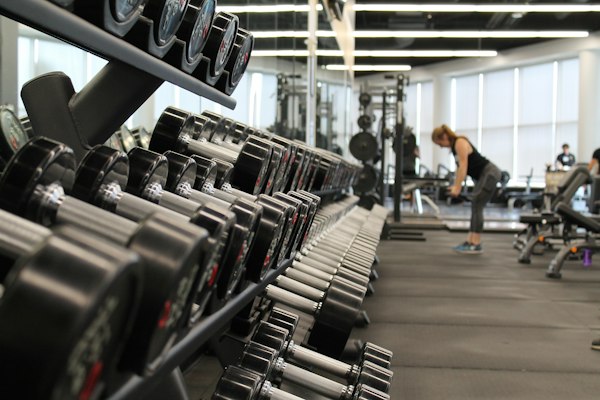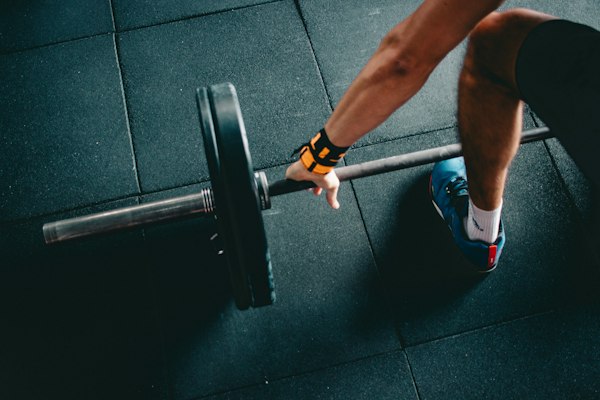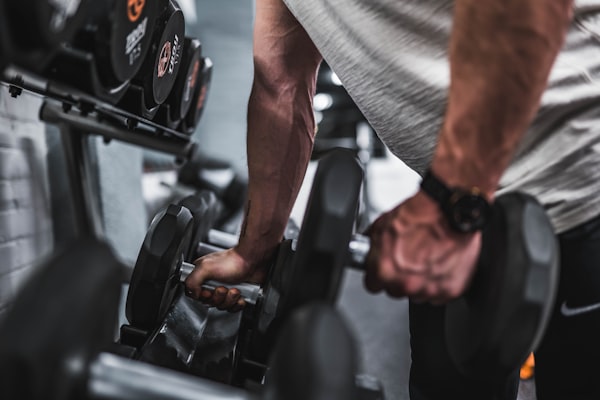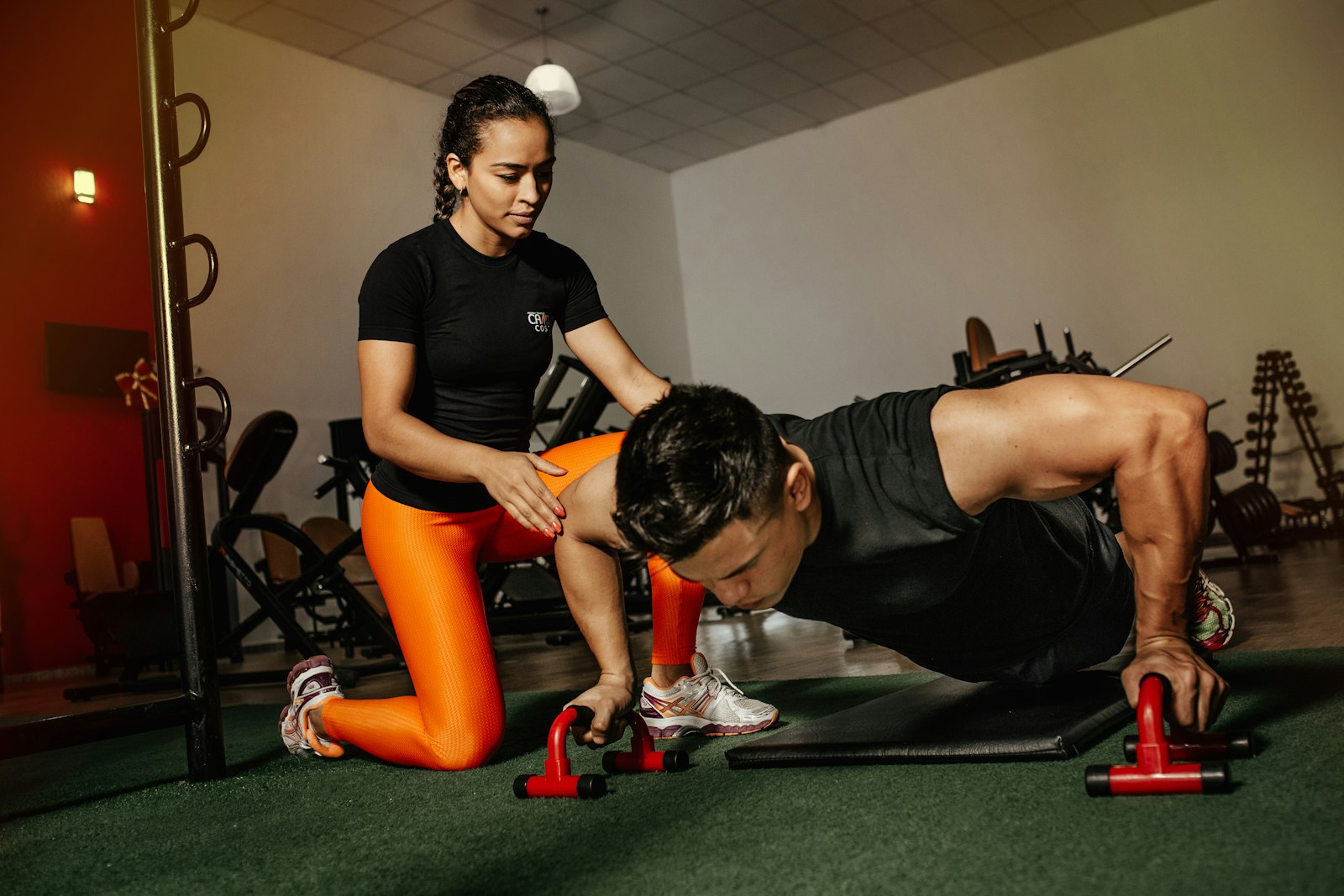
Dubai's CrossFit and strength training scene has exploded over the past five years, transforming from a niche fitness pursuit into a mainstream lifestyle choice. What started with a handful of underground boxes has evolved into a thriving community of thousands of athletes, with world-class facilities scattered across the emirate from Marina to Al Quoz. This comprehensive guide explores everything you need to know about functional fitness and strength training in Dubai—from your first WOD to competing in regional championships.
Table of Contents
- What Is CrossFit? Understanding the Sport and Methodology
- CrossFit vs. Strength Training: Which Is Right for You?
- Dubai's CrossFit Scene: What You Need to Know
- Getting Started with CrossFit in Dubai
- Strength Training Fundamentals for Dubai Gym-Goers
- CrossFit and Strength Training Programming: A Sample Week
- Nutrition for CrossFit and Strength Training in Dubai
- CrossFit Injuries: Prevention and Recovery
- Choosing a CrossFit Box or Strength Gym in Dubai
- CrossFit for Weight Loss in Dubai: Does It Work?
- Is CrossFit Safe? Managing Risk in Dubai's Heat
- Advanced CrossFit: Competition and Community
- Frequently Asked Questions
What Is CrossFit? Understanding the Sport and Methodology
CrossFit emerged in the early 2000s as a revolutionary approach to functional fitness, founded by Greg Glassman with the philosophy that fitness should be "broad, general, and inclusive." Rather than specializing in one discipline, CrossFit emphasizes varied, functional movements performed at high intensity. The sport has grown from a single box in California to a global phenomenon with over 14,000 affiliated gyms worldwide, including an increasingly sophisticated presence in Dubai.
At its core, CrossFit focuses on constantly varied functional movements—exercises that mimic real-world activities and utilize multiple joints and muscle groups simultaneously. The fundamental movements include squatting, deadlifting, pressing, pulling, and throwing, combined with metabolic conditioning to build work capacity. Unlike traditional bodybuilding, which isolates individual muscles, or powerlifting, which prioritizes maximum strength in three lifts, CrossFit aims for balanced competence across all physical domains: strength, power, speed, flexibility, coordination, accuracy, agility, and endurance.
The backbone of CrossFit training is the WOD (Workout of the Day), a structured programming model that changes daily. WODs employ various structures to achieve different training adaptations. AMRAP (As Many Reps As Possible) challenges athletes to complete maximum rounds within a time window, typically 15-20 minutes. EMOM (Every Minute on the Minute) requires athletes to complete specified movements within each minute, with remaining time serving as rest. "For Time" workouts demand completion of prescribed work as quickly as possible, emphasizing speed and intensity. HIIT (High-Intensity Interval Training) sessions alternate between intense efforts and recovery periods, maximizing cardiovascular adaptation and caloric expenditure.
Dubai's CrossFit boxes operate on this proven model, with most offering daily programming that progresses through different stimulus throughout the week. The box culture itself—the community-driven ethos of training together, celebrating victories, and supporting athletes during struggles—has become central to CrossFit's appeal in Dubai. Whether you're a 22-year-old marketing professional or a 55-year-old entrepreneur, you'll find yourself surrounded by diverse athletes working toward shared fitness goals on the same whiteboard where your scores are posted alongside colleagues and strangers.
The distinction between RX (Rx) and scaled movements is crucial for new athletes. RX refers to the prescribed weight and movement standard specified in the WOD. Scaling allows modification of weight, range of motion, or movement substitution based on individual ability, injury, or technical proficiency. A responsive coach will scale movements appropriately—using resistance bands instead of strict pull-ups, reducing weight, or shortening range of motion—ensuring you work at the correct intensity while safely building toward advanced movements. This scalability makes CrossFit accessible to anyone, regardless of starting fitness level.
CrossFit vs. Strength Training: Which Is Right for You?
While CrossFit and strength training often overlap, they represent distinct training approaches with different goals, methodologies, and outcomes. Understanding the differences helps you choose the right path based on your objectives, available time, and preferences.
| Factor | CrossFit | Strength Training |
|---|---|---|
| Primary Goal | Balanced fitness across multiple domains | Maximum strength in compound lifts |
| Training Focus | Varied movements, metabolic conditioning, high intensity | Compound lifts, progressive overload, controlled intensity |
| Time Commitment | 45-90 minutes per class, 3-5 days/week | 60-90 minutes per session, 3-4 days/week |
| Injury Risk | Moderate-high (high volume, varied movements, fatigue) | Low-moderate (controlled movement, technical focus) |
| Community | Strong, highly motivating group environment | Variable (depends on gym atmosphere) |
| Cost in Dubai | AED 350-650/month (unlimited classes) | AED 100-400/month (varies by facility) |
| Fat Loss Potential | Excellent (EPOC effect, high calorie burn) | Good (depends on intensity and volume) |
| Muscle Building | Good (sufficient volume at adequate intensity) | Excellent (optimized for hypertrophy) |
CrossFit excels for individuals seeking comprehensive fitness improvements, community-driven training, and varied, engaging workouts. The metabolic demands of CrossFit create an EPOC (Excess Post-Exercise Oxygen Consumption) effect—elevated metabolism lasting hours after training—making it particularly effective for fat loss when combined with proper nutrition. However, CrossFit's high volume and varied movement patterns increase injury risk if proper scaling, technique, and recovery aren't prioritized. Dubai's expat population often gravitates toward CrossFit because the structured community provides social connection beyond the physical training.
Pure strength training appeals to those prioritizing maximum strength development, muscle hypertrophy, or sport-specific performance. Programs typically emphasize the "big five" lifts—squat, deadlift, bench press, overhead press, and barbell row—performed with controlled tempos, adequate rest periods, and progressive overload. This approach reduces injury risk compared to high-intensity metabolic work and produces superior strength gains. However, strength training requires discipline and self-motivation, as the traditional gym environment lacks the built-in accountability of group classes.
Many elite Dubai athletes employ a hybrid approach, combining 2-3 CrossFit classes weekly for metabolic conditioning and community with dedicated strength training days focused on the compound lifts. This synthesis captures benefits of both modalities: the broad fitness and community of CrossFit paired with the specialized strength development of structured programs. Dubai fitness professionals increasingly recommend this hybrid model, particularly for clients balancing physique goals with functional fitness improvements.
Dubai-specific considerations influence your choice. The intense heat and humidity demand careful programming, particularly for metabolic conditioning. Shift workers in Dubai's 24-hour economy benefit from the flexibility of CrossFit boxes with extended operating hours. The international community in Dubai creates high-level coaching environments where facility owners often bring experience from competitive CrossFit backgrounds.
Dubai's CrossFit Scene: What You Need to Know
CrossFit arrived in Dubai approximately eight years ago, initially meeting skepticism from a fitness community accustomed to traditional bodybuilding and functional training approaches. Today, Dubai hosts some of the Middle East's most established CrossFit boxes, hosting athletes from across the Gulf Cooperation Council countries competing for qualification slots to the CrossFit Games. The emirate's status as a major international hub, combined with its concentration of health-conscious expats, created ideal conditions for functional fitness to flourish.
The Dubai CrossFit community received tremendous visibility through the Dubai Fitness Challenge, an annual 30-day wellness initiative encouraging residents to complete 30 minutes of activity daily. CrossFit boxes became central venues during this challenge, with specialized workouts, track-and-field style competitions, and community events. This mainstream platform accelerated adoption across demographics previously unfamiliar with CrossFit, establishing it as a legitimate component of Dubai's fitness culture rather than an underground pursuit.
International competition connections distinguish Dubai's scene. Regular competitions—from local box-sponsored events to sanctioned CrossFit Open qualifiers—link Dubai athletes to the global competitive ecosystem. Several Dubai boxes produce athletes competing at elite levels, including regional competitions and international exposure. This competitive infrastructure attracts serious athletes to the emirate, raising overall training standards and coaching quality across facilities.
The distinction between licensed CrossFit boxes and unofficial gyms remains important. Officially affiliated CrossFit facilities maintain standards, ensure coaches hold appropriate certifications (Level 1 at minimum, with many holding advanced certifications), and participate in the global CrossFit community. While unofficial gyms may offer quality training, licensing provides assurance regarding programming standards, coach credentials, and facility quality. When selecting a box, confirm official CrossFit affiliation through the CrossFit.com directory.
The Dubai fitness culture itself—with its emphasis on premium facilities, state-of-the-art equipment, and international coaching—has elevated CrossFit standards. You'll find boxes with climate-controlled competition flooring, premium barbells, and coaches with experience competing internationally. This quality infrastructure supports rapid athlete development but also reflects the higher cost structure in Dubai compared to other regions.
Morning versus evening training culture varies significantly across Dubai neighborhoods. Marina and Downtown locations attract corporate professionals training before work, creating 6-7 AM sessions filled with bankers and consultants. Business Bay and JLT boxes serve a similar demographic with lunchtime classes. Al Quoz locations, near the fitness district, maintain more traditional evening focus, attracting post-work athletes. Understanding your neighborhood's training culture helps identify boxes matching your lifestyle and schedule.
Getting Started with CrossFit in Dubai
Your first CrossFit experience typically begins with an on-ramp or foundations program rather than immediately joining group classes. Responsible boxes implement 4-6 week on-ramp periods where new athletes learn fundamental movement patterns, establish proper technique, and build work capacity in controlled settings. These programs establish crucial foundations preventing injury and building confidence before joining competitive group WODs. During on-ramp, you'll learn the squat, deadlift, press, and pull-up, understand basic movement scaling, and acclimate to the intensity level.
What to expect during your first on-ramp classes: session begin with 10-15 minutes of mobility and movement preparation, addressing any movement restrictions or imbalances. Coaches then demonstrate movement progressions, starting with bodyweight and advancing through difficulty levels with load. You'll perform scaled versions under close coach supervision, receiving constant feedback on positioning and mechanics. Final segments address metabolic conditioning with reduced intensity, helping you understand pacing and breathing patterns. The entire session lasts 45-60 minutes, ending with community discussion and athlete questions.
Equipment you'll use includes barbells (standard 20kg for men, 15kg for women), dumbbells ranging from 5-50kg, kettlebells, resistance bands, pull-up bars, rowing machines, medicine balls, and wall balls. You don't need to purchase equipment—boxes provide everything required. However, many athletes eventually invest in a jump rope (essential for warm-ups and metabolic work), weightlifting shoes if attempting Olympic lifting seriously, and proper athletic wear allowing full range of motion. Dubai's climate demands moisture-wicking materials and light colors.
First-week timeline typically progresses as: Day 1-2 involves foundational movement patterns and light conditioning. Day 3 introduces heavier loading with reduced volume. Day 4-5 combines learned movements in simple WOD-like structures. By the end of your first week, you'll have experienced basic movement competency, understand scaling options, and feel confident beginning group classes. Coaches will assess your readiness and provide recommendations for next steps.
Cost for CrossFit in Dubai typically ranges AED 300-600 monthly for unlimited classes, though specific pricing varies significantly by location and facility quality. Many boxes offer trial classes (often free or discounted) allowing you to experience the environment before committing. Don't evaluate purely on price—box culture, coaching quality, and programming quality matter far more than the lowest monthly fee. A premium box at AED 500/month with world-class coaching outweighs a bargain facility at AED 250 with inexperienced staff.
Strength Training Fundamentals for Dubai Gym-Goers
Traditional strength training prioritizes the "big five" compound movements: squat, deadlift, bench press, overhead press, and barbell row. These multi-joint movements recruit large muscle groups, demand high levels of coordination, and produce the greatest strength and muscle gains per unit effort. Understanding and mastering these movements forms the foundation of any serious strength program.
The squat—particularly the barbell back squat—develops lower body and core strength essential for functional fitness and athletic performance. Proper execution requires depth (hip crease below knee level), neutral spine, and controlled tempo. The deadlift builds posterior chain strength, engaging glutes, hamstrings, and back muscles while developing grip strength and body awareness. Bench press develops chest, shoulder, and triceps strength in a horizontal pressing pattern. The overhead press builds shoulder stability and core strength in a vertical pressing pattern. Barbell rows strengthen the back, improve posture, and develop pulling strength opposite to pressing movements.
Progressive overload—consistently increasing training stress—drives strength development. This occurs through weight increases (adding 2.5-5kg when completing prescribed reps), volume increases (additional sets or reps at current weight), or density increases (completing more volume in less time). A typical strength progression adds weight every 1-2 weeks once consistent form and prescribed reps are achieved. This consistent challenge forces adaptation, building muscle and neural connections required for strength development.
Effective strength programs structure training 3-5 days weekly with complete rest days between strength sessions. A common model trains upper body (bench press, rows) Monday and Thursday, lower body (squat, deadlift) Tuesday and Friday, with auxiliary work distributed throughout the week. Alternatively, full-body sessions 3-4 times weekly allow adequate recovery while maintaining frequent training stimulus. Deload weeks—reducing volume 40-50% every 4-5 weeks—permit recovery, managing fatigue, and reducing injury risk while maintaining training frequency.
Dubai's climate presents unique considerations for strength training. Intense heat increases cardiovascular stress, dehydrates rapidly, and reduces physical performance. Early morning training (5-7 AM) before peak heat offers significant advantages, with 6-10 degree cooler temperatures reducing heat stress and allowing superior training quality. Air-conditioned facilities provide essential environments, particularly during summer months when outdoor conditions become dangerous for intense training. Hydration becomes critical—consume 400-600ml fluid per hour of training, choosing electrolyte-enhanced beverages over plain water during intense sessions.
The heat also impacts grip strength, barbell handling, and recovery. Summer training sessions may require slight volume reductions while maintaining intensity and frequency. Consider shifting ambitious programming toward cooler months (October-April) when performance peaks and recovery accelerates. Even with these considerations, consistent strength training in Dubai is entirely achievable with proper planning, appropriate facility selection, and climate-conscious programming.
CrossFit and Strength Training Programming: A Sample Week
A comprehensive hybrid training week balances metabolic conditioning from CrossFit with dedicated strength development. Here's a practical week employed by many Dubai athletes:
Monday: Lower Body Strength Focus
Primary Lift: Barbell Back Squat—5 sets of 3 reps at 85-90% estimated 1-rep max, 3-minute rest between sets. Accessory Work: 3 sets of 5 leg press, then 3 sets of 8 seated leg curl. Finisher: 2 rounds of 50 double-unders + 10 burpees for time. Total duration: 75 minutes.
Tuesday: CrossFit Metabolic Conditioning
Warm-up: 3 rounds of mobility drills and movement prep. WOD (AMRAP 15 minutes): 5 power cleans (70kg), 10 chest-to-bar pull-ups, 15 wall balls (14kg). Coaches emphasize sustainable pacing rather than all-out intensity. Cool-down: 5 minutes stretching and mobility. Total duration: 60 minutes.
Wednesday: Complete Rest Day
True recovery day. Light stretching, walking, or yoga acceptable, but no structured training. This day permits nervous system recovery and glycogen replenishment essential for high-intensity training sustainability.
Thursday: Upper Body Strength + Conditioning
Primary Lift: Barbell Bench Press—5 sets of 3 reps at 85-90% of max. Secondary Lift: Weighted pull-ups, 4 sets of 5 reps. Accessory: 3 sets of 8 incline dumbbell press. Finisher (For Time): 21-15-9 rep rounds of dumbbell snatches (22.5kg per hand) and box jumps (61cm). Total duration: 80 minutes.
Friday: CrossFit Group Class
WOD (15-minute EMOM): Minute 1-5: 3 deadlifts (110kg), Minute 6-10: 5 strict pull-ups, Minute 11-15: 8 kettlebell swings (32kg). Remaining time serves as rest. Focus on movement quality and pacing. Total duration: 60 minutes.
Saturday: Long CrossFit Workout + Community
Longer WOD (40-50 minutes): Partner workout combining sustained efforts with varied movement. Example: 50-40-30-20-10 cal row, 50-40-30-20-10 box jumps, 50-40-30-20-10 wall balls (split between partners). Strong community atmosphere, celebrating completion and personal records. Total duration: 90 minutes including warm-up and cool-down.
Sunday: Active Recovery or Gentle CrossFit
Light 30-40 minute class emphasizing movement quality, mobility, and sustainable pacing rather than intensity. Perfect for maintaining training frequency while promoting recovery before the next training cycle. Alternatively, complete rest day if fatigue indicates need.
This structure distributes training stress across the week while maintaining adequate recovery. Strength-focused days occur with full recovery (3 days minimum between lower body sessions, 3-4 days between upper body), while CrossFit sessions provide metabolic stimulus without compromising strength recovery. As athlete experience advances, intensity increases through heavier loading, shorter rest periods, or greater movement complexity.
Nutrition for CrossFit and Strength Training in Dubai
Proper nutrition constitutes the foundation of training success, rivaling programming and recovery in importance. Athletes performing high-intensity training require specific nutritional strategies optimizing performance and adaptation.
Protein Requirements: Strength athletes and CrossFit competitors need 1.6-2.2 grams of protein per kilogram of body weight daily to support muscle protein synthesis and recovery. A 80kg athlete requires 128-176g daily, distributed across 4-5 meals—roughly 25-40g per meal. Excellent protein sources in Dubai include Greek yogurt, grilled chicken, fish (hamour, salmon), eggs, legumes, and protein powder. Dubai's diverse expatriate community facilitates access to international protein sources often unavailable in neighboring regions.
Pre-Workout Nutrition Timing: Consume a meal containing carbohydrates and protein 2-3 hours before training, or a light snack (banana with almond butter, dates with protein powder) 30-60 minutes pre-workout. This provides energy for high-intensity efforts and amino acids minimizing muscle breakdown during training. Dubai's heat accelerates digestion, so some athletes reduce pre-workout meal sizes, consuming smaller portions earlier and adding a light snack immediately before training.
Post-Workout Nutrition: Consume carbohydrates and protein within 30-60 minutes post-workout to replenish glycogen and initiate protein synthesis. An effective post-workout meal might include grilled chicken with rice and vegetables, or a protein shake with fruit and oats. This nutrient timing capitalizes on elevated anabolic hormones and enzymatic activity following training, optimizing adaptation.
Hydration in Dubai's Climate: The desert climate accelerates dehydration, demanding vigilant fluid intake. Basic guidelines suggest consuming 30-40ml fluid per kilogram of body weight daily, increasing dramatically on training days. During intense training, consume 400-800ml per hour depending on sweat rate. Electrolyte beverages (sodium, potassium, magnesium) become essential during extended sessions, as plain water alone can disrupt electrolyte balance. Many Dubai athletes carry electrolyte tablets or drink coconut water post-workout to replenish minerals lost through perspiration.
Dubai-Specific Nutrition Challenges: The restaurant-centric culture presents challenges for athletes tracking macronutrients. Most Dubai restaurants generously portion rice, bread, and cooking oils while undersizing protein portions. Request plain grilled proteins, double vegetables, and minimal added oils. Ramadan training demands adjusted nutrition timing around fasting windows. Pre-dawn meals should emphasize complex carbohydrates and protein, while post-breaking meals (iftar) should be moderate to avoid digestive stress before evening training.
Supplements Available in Dubai: The UAE permits most common sports supplements unavailable in some regions. Creatine monohydrate (5g daily) is legal, affordable, and evidence-based for strength and power development. Whey protein powder provides convenient protein supplementation, with brands like MyProtein, Optimum Nutrition, and local providers available through pharmacies and nutrition shops. Caffeine (200-400mg pre-workout) enhances performance and fat mobilization. Beta-alanine reduces fatigue, though loading protocols require 3-5 weeks for effects. Electrolyte powders (LMNT, Liquid IV) become essential during summer months. Always verify supplement legality and ingredient sourcing in the UAE, as some banned substances differ from international standards.
Daily baseline: Consume 1.8x bodyweight in grams of protein, 3-4g carbohydrates per kg bodyweight, 0.8-1g fat per kg. Pre-training: 25g carbs + 10g protein 30-60 minutes before. Post-training: 40g carbs + 25g protein within 60 minutes. Hydration: 35ml × bodyweight (kg) daily baseline + 500ml per hour of training. Supplements: Creatine 5g daily, whey protein 1-2 scoops daily, multivitamin, electrolytes during summer.
CrossFit Injuries: Prevention and Recovery
While CrossFit ranks relatively safely when proper scaling and technique are prioritized, the high-intensity nature and varied movements do increase injury risk compared to traditional strength training. Understanding prevention strategies and recovery protocols ensures long-term training sustainability.
Most Common CrossFit Injuries: Shoulder injuries (rotator cuff strains, impingement) result from overhead pressing volume, particularly when technique degrades from fatigue. Lower back injuries emerge from deadlifting and Olympic lifting with improper form. Knee injuries (patellar tendinitis, ACL strains) occur during high-volume jumping and barbell squats. Wrist strains develop from front rack positioning and high-volume cleans. Most injuries result from inadequate scaling, training while fatigued or injured, or progressing loading too aggressively.
Prevention Strategies: Proper warm-up deserves emphasis—15 minutes of mobility work, movement prep, and light technical drilling before WODs reduces injury risk substantially. Adequate recovery between sessions (full rest days, 48+ hours between intense lower body work) permits tissue repair. Consistent mobility work addressing movement restrictions prevents compensation patterns and injury. Most importantly, scaling appropriately maintains movement quality when fatigued. As fatigue accumulates, movement degrades—competent coaches recognize this and encourage scaling before form breaks down.
Dubai-Specific Considerations: The intense heat and humidity accelerate fatigue and dehydration, degrading movement quality and increasing injury risk. Consider reducing volume during summer months while maintaining intensity and frequency. Morning training sessions (before peak heat) enable superior movement quality and reduced injury risk. Ensure adequate recovery and sleep—the heat disrupts sleep quality, impacting nervous system recovery and injury resilience.
Recovery and Physiotherapy: Dubai hosts excellent physiotherapy clinics specializing in sports injuries, with many practitioners experienced in CrossFit injuries. Early intervention prevents minor issues from developing into chronic problems. Rest-ice-compression-elevation protocols address acute injuries, though professional assessment determines appropriate intervention. Many elite Dubai athletes maintain relationships with sports physiotherapists for regular assessment and preventive treatment.
When to Rest vs. Push Through: Sharp pain requires immediate cessation—it signals tissue damage. Dull muscle soreness or mild discomfort may allow modified training. Generally, if an injury prevents normal movement patterns or technique degrades compensating around pain, rest is appropriate. The mentality that training through pain builds character is dangerous—it often transforms acute injuries into chronic problems. Responsible training includes knowing when rest accelerates recovery more than continued training.
Find Expert Guidance for Your Training
Whether you're beginning CrossFit or optimizing advanced training, working with experienced coaches prevents injury and accelerates progress. Connect with certified CrossFit coaches and strength trainers across Dubai.
Choosing a CrossFit Box or Strength Gym in Dubai
Selecting an appropriate training facility profoundly impacts your fitness journey. The "best" box is subjective, depending on location, goals, coaching philosophy, and community fit, but several objective criteria guide informed decisions.
Certified Coaches: Verify that coaches hold current CrossFit Level 1 certifications at minimum. Elite boxes employ Level 2-4 certified coaches, weightlifting certifications (USA Weightlifting), or strength certifications (NASM-CNC, ISSN). Request coaching credentials—responsible facilities proudly display qualifications. Coaching quality dramatically influences your progress and injury risk; premium pricing for experienced coaches represents excellent value.
Programming Quality: Excellent boxes employ thoughtful programming balancing strength, power, metabolic conditioning, and mobility across varied time domains. Review monthly programming samples—does programming display periodization? Are strength elements appropriately periodized? Do WODs appropriately scale for beginners and advanced athletes? Ask current members about programming coherence and progression.
Equipment and Facility: Adequate equipment availability prevents bottlenecking—if 30 athletes complete one WOD, the box needs sufficient barbells, dumbbells, and rowers. Climate control matters tremendously in Dubai; air-conditioned facilities maintain safe temperatures and superior training quality. Check bathroom facilities, changing areas, and shower availability. Premium boxes invest in quality flooring, mirrors, and training space layout optimizing movement and safety.
Community and Culture: Attend a trial class—the community represents the box's soul. Do athletes support one another? Is the coach encouraging or berating those scaling? Are beginners welcomed and included? Strong communities retain athletes long-term, provide accountability, and enhance enjoyment. Conversely, toxic communities create stress rather than fun.
Location Across Dubai: Marina and Downtown areas attract corporate professionals with 6-7 AM sessions filling with bankers, consultants, and executives. Business Bay and JLT boxes serve similar demographics with convenient lunch-break classes. Al Quoz, the fitness district, hosts multiple boxes with varied specializations—some emphasizing competitive training, others prioritizing beginners. Deira and Bur Dubai locations serve local communities with generally lower prices and different cultural atmospheres. Choose locations matching your schedule and commute preferences.
Price Ranges: Dubai boxes typically charge AED 300-650 monthly for unlimited classes. Ultra-premium boxes with elite coaching and international competition focus might exceed AED 700. Budget options below AED 300 may sacrifice coaching quality or programming coherence. Most athletes find AED 450-550 offers excellent value—sufficient coaching quality, solid programming, and premium facilities without ultra-premium pricing. Evaluate pricing within the context of coaching quality, facility quality, and community—not in isolation.
Trial Classes: Most boxes offer 1-2 free or discounted trial classes. Use these strategically: attend morning and evening classes to experience different crowds, ask detailed questions about programming and scaling, and request speaking with coaches about your goals. Multiple trial visits provide comprehensive understanding before committing.
For those preferring traditional strength training without CrossFit's community, Dubai offers excellent standalone gyms specializing in powerlifting and strength training. These facilities emphasize squat racks, barbells, and focused training environments with less metabolic conditioning emphasis. Research reviews, verify coaching credentials, and trial sessions before committing.
CrossFit for Weight Loss in Dubai: Does It Work?
CrossFit's reputation for producing dramatic fat loss results is well-earned, though results depend equally on nutrition and training consistency. Understanding the physiological mechanisms explains why CrossFit succeeds where traditional cardio often fails.
EPOC Effect: Excess Post-Exercise Oxygen Consumption describes elevated metabolic rate persisting hours after high-intensity training. CrossFit's intense efforts create substantial EPOC—your body continues burning calories at elevated rates long after training concludes. A typical CrossFit WOD might burn 300-400 calories during training but trigger an additional 50-100 calories burned during the 12-24 hour recovery period. This cumulative effect significantly enhances total daily energy expenditure compared to steady-state cardio producing minimal post-exercise elevation.
High-Intensity Effectiveness: The metabolic intensity of CrossFit forces greater muscle engagement and energy mobilization than low-intensity training. Heavy barbells demand full-body recruitment, producing greater caloric demand per unit effort. High-volume workouts accumulate substantial training volume—30 minutes of intense CrossFit might produce similar caloric expenditure as 60 minutes of moderate running, with superior muscle preservation and metabolic elevation.
Realistic Fat Loss Expectations: Combined with appropriate nutrition, CrossFit typically produces 0.5-1kg fat loss weekly for motivated athletes—sustainable, healthy fat loss without extreme calorie restriction. This assumes calorie deficit through nutrition (400-500 calorie daily deficit) combined with training 4-5 times weekly. Expecting rapid weight loss without concurrent nutrition optimization is futile; you cannot out-train a poor diet. Conversely, combining consistent training with disciplined nutrition produces reliable results.
Success Story Framework: Dubai athletes successfully losing 15-30kg over 6-12 months typically share common patterns: consistent training (4-5 sessions weekly for 6+ months), intentional nutrition (tracking protein intake, maintaining calorie deficit), adequate sleep (7-9 hours), and patience accepting that true fat loss takes time. Many began out of shape, overcame initial intimidation through on-ramp programs, and discovered community motivation sustained long-term adherence. The combination of enjoyable training and visible progress created lifestyle change rather than temporary dieting.
Hormonal Adaptations: Beyond simple calorie burning, high-intensity training optimizes hormones supporting fat loss. HIIT-style workouts improve insulin sensitivity, helping your body partition nutrients toward muscle rather than fat storage. Elevated cortisol during intense training (acute stress) becomes problematic only with inadequate recovery; managed training stress combined with sleep and nutrition actually improves metabolic health and fat loss.
Is CrossFit Safe? Managing Risk in Dubai's Heat
CrossFit's safety profile compares favorably to many sports when proper scaling, technique, and recovery are prioritized. The emirate's unique climate presents specific challenges requiring careful management.
Heat Illness Prevention: Dubai's extreme temperatures (frequently exceeding 40°C from June-September) accelerate dehydration, impair performance, and increase heat illness risk. Heat exhaustion symptoms include dizziness, weakness, rapid heartbeat, and impaired coordination. Heat stroke—a medical emergency—presents as elevated body temperature (>40°C), confusion, and loss of consciousness. Prevention requires aggressive hydration (consuming 400-600ml per hour during training), electrolyte supplementation, and climate consideration.
Hydration Protocols: Standard guidelines recommend pre-training hydration (400-600ml 2-3 hours before), continuous hydration during training (200-300ml every 15-20 minutes for intense sessions), and post-training rehydration (150% of fluid lost over 4-6 hours). Electrolyte beverages become essential during summer, as plain water alone cannot maintain osmotic balance. Monitor urine color—pale indicates adequate hydration while dark yellow suggests dehydration.
Indoor vs. Outdoor Training: Air-conditioned facilities permit safe intense training year-round, maintaining optimal performance and injury prevention. Outdoor training during peak summer hours (11 AM-4 PM) becomes dangerous, even for acclimatized athletes. Many Dubai athletes shift outdoor training to cooler months or early mornings (before 9 AM) when temperatures remain manageable. Indoor facilities—nearly universal among premium Dubai boxes—solve this concern entirely.
Summer Modification Strategies: Reduce volume (fewer total rounds or reps) while maintaining intensity and movement quality. Emphasize strength work (lower metabolic demand) over conditioning during peak heat. Adjust timing toward early mornings or evenings when temperatures drop. Consider increased rest days during July-August, the most extreme heat period. Hydration, electrolyte supplementation, and sleep become non-negotiable during summer months.
Overall Safety Considerations: CrossFit performed with appropriate scaling, competent coaching, and sufficient recovery presents minimal injury risk. Studies comparing CrossFit injury rates to other sports (weightlifting, powerlifting, running) find comparable or lower injury incidence when proper progressions are followed. The key distinction: injury risk increases dramatically when athletes push beyond physical capacity, ignore coach scaling recommendations, or train while fatigued or injured. Responsible training includes ego management, listening to coaches, and prioritizing longevity over short-term performance.
Advanced CrossFit: Competition and Community
Beyond recreational training, competitive CrossFit offers athletes structured goals and elite performance pursuit. Dubai's growing competitive ecosystem provides opportunities from local competitions to international exposure.
Dubai CrossFit Competitions: Multiple boxes host sanctioned competitions throughout the year—local qualifiers, invitational tournaments, and box-specific competitions. These events range from recreational to elite divisions, accommodating athletes from all levels. Participating in competition, even informally, provides concrete goals, structured training periodization, and community celebration around achievement.
The CrossFit Open: Annual worldwide competition open to athletes of all levels. The Open runs five weeks with a new workout released weekly, athletes complete workouts in their boxes, and scores upload to the global leaderboard. Participation costs minimal (approximately AED 150-200), provides motivation and structure for training cycles, and offers possibility of qualifying for Regionals (advanced athletes) or Games (elite-tier athletes). The Open typically occurs March-April, drawing thousands of Dubai athletes annually.
Quarterfinals and Regionals: Top performers from the Open progress to Quarterfinals (online competition with stricter verification standards), where top finishers advance to regional competitions. The Middle East region hosts Regionals bringing together elite athletes from the GCC competing for Games qualification. While few Dubai athletes reach this level, pursuing it provides years of goal-oriented, structured training with constant performance benchmarking.
Masters and Age-Group Divisions: CrossFit accommodates all ages with age-group divisions (masters divisions begin at 35+, with 40+, 50+, 60+ categories). These divisions emphasize relative performance within peer groups rather than head-to-head competition with elite younger athletes. Many Dubai masters athletes compete seriously, establishing supportive communities and pursuing impressive performances within their age categories.
Team Competitions: Beyond individual competition, team-based events emphasize community and collective goals. Three-to-four person teams compete in workouts emphasizing strategy, pacing, and delegation. Team competitions create engaging community events, often attracting participants beyond serious athletes seeking social, fun athletic experiences.
Ready to Take Your Training Seriously?
Whether pursuing competition or simply optimizing your results, specialized programming and expert coaching accelerate progress. Discover coaches in Dubai specializing in competitive CrossFit training.
Frequently Asked Questions
Conclusion: Your CrossFit and Strength Training Journey in Dubai
Dubai's CrossFit and strength training ecosystem offers world-class facilities, expert coaching, and thriving communities supporting athletes from complete beginners to elite competitors. The emirate's cosmopolitan fitness culture, premium infrastructure, and international coaching expertise create ideal conditions for rapid progress and sustainable fitness development.
Beginning your journey requires courage—walking into an unfamiliar box, surrounded by strangers moving weight your body hasn't yet experienced, inevitably triggers vulnerability. Yet this vulnerability transforms when you discover coaches committed to scaling movements appropriately, experienced athletes offering encouragement, and a community celebrating your progress regardless of relative fitness level. Week by week, movements that seemed impossible become manageable. Weights you lifted "maxing out" become warm-up loads. You stand taller, move more confidently, and experience physical and mental transformation rippling beyond the training box.
Whether your goal is weight loss, strength development, athletic performance, or simply discovering fitness joy, CrossFit and strength training in Dubai provide accessible pathways. The investment is modest (AED 400-500 monthly), the community supportive, and the results reliable for those committing to consistent training and thoughtful nutrition.
Your first step is selecting an appropriate box and attending an on-ramp program. Beyond that, consistency trumps perfection—showing up regularly, training with intention, and prioritizing movement quality over ego-driven loading produce results. Many Dubai athletes achieved dramatic transformations not because of superior genetics or unlimited time, but because they selected good coaching, committed to showing up, and trusted the process.
The whiteboard awaits. Your score will be posted alongside colleagues, strangers who will become friends, and a coach prepared to scale movements enabling you to work at appropriate intensity. Your journey toward stronger, fitter, more confident self begins with a single class.
Ready to begin? Browse certified CrossFit coaches and trainers across Dubai, or contact us for personalized recommendations matching your goals and location.